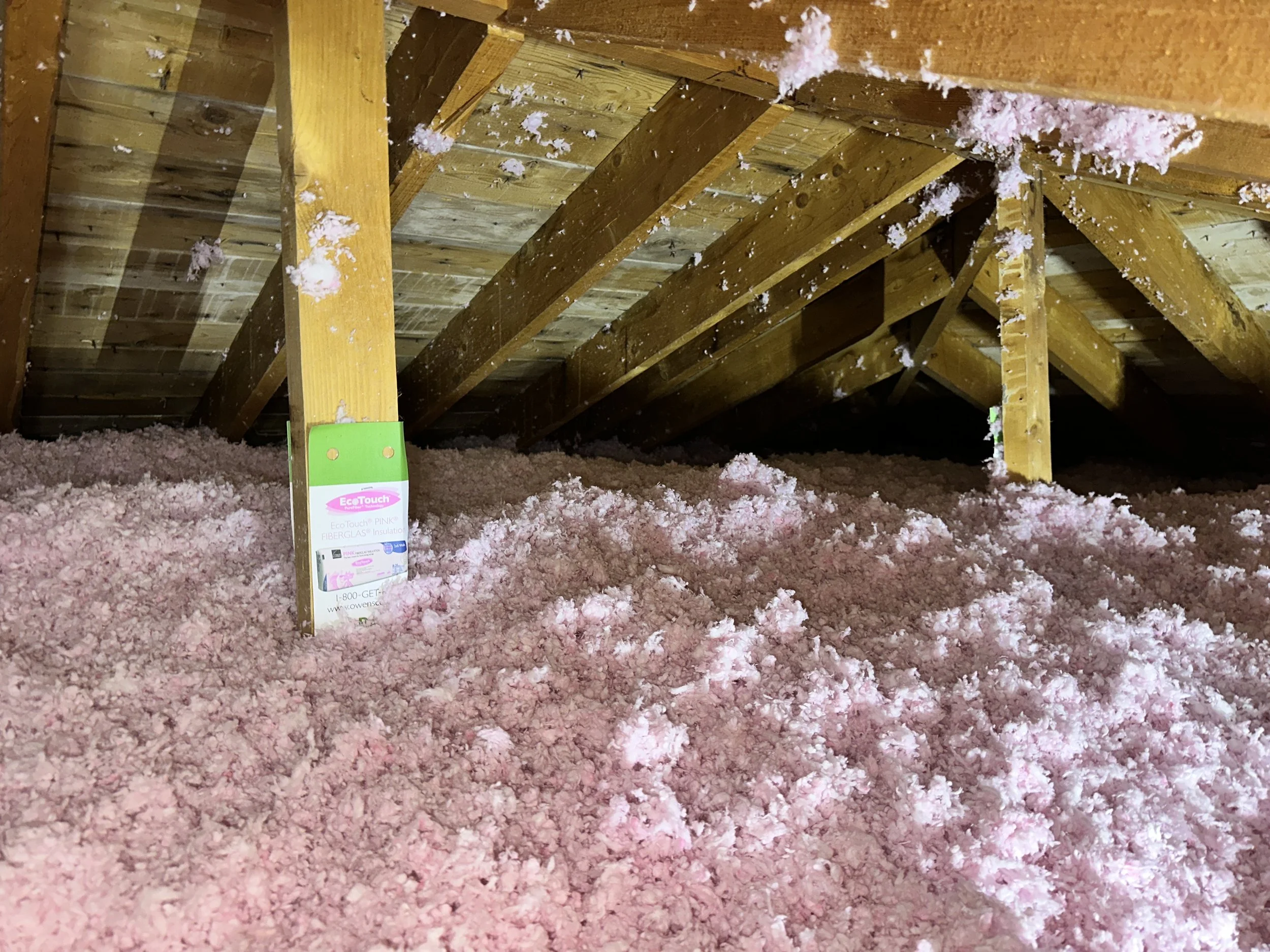
Attic Insulation
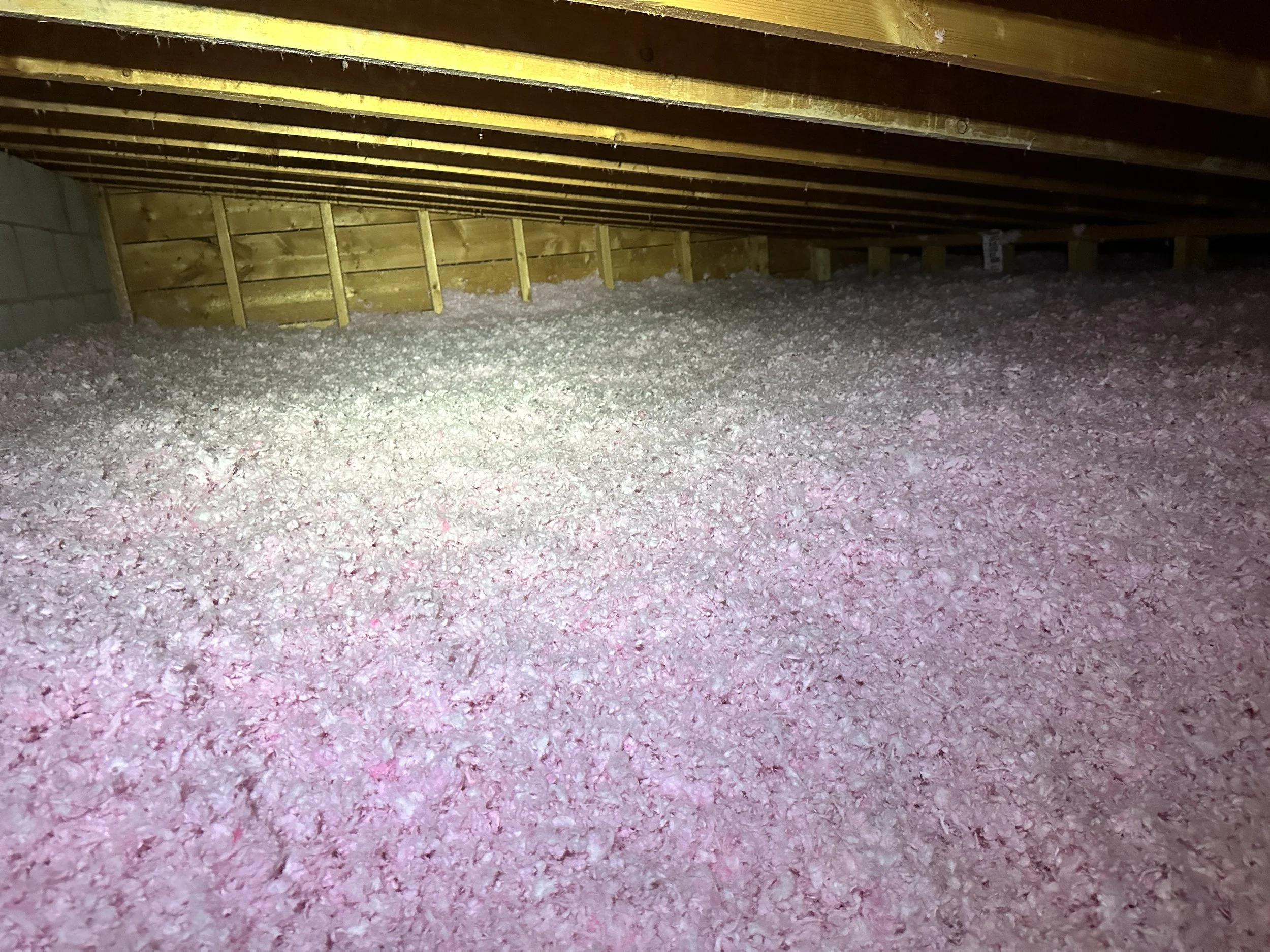
attic insulation
High-Performance Attic Insulation for Alberta’s Extreme Weather
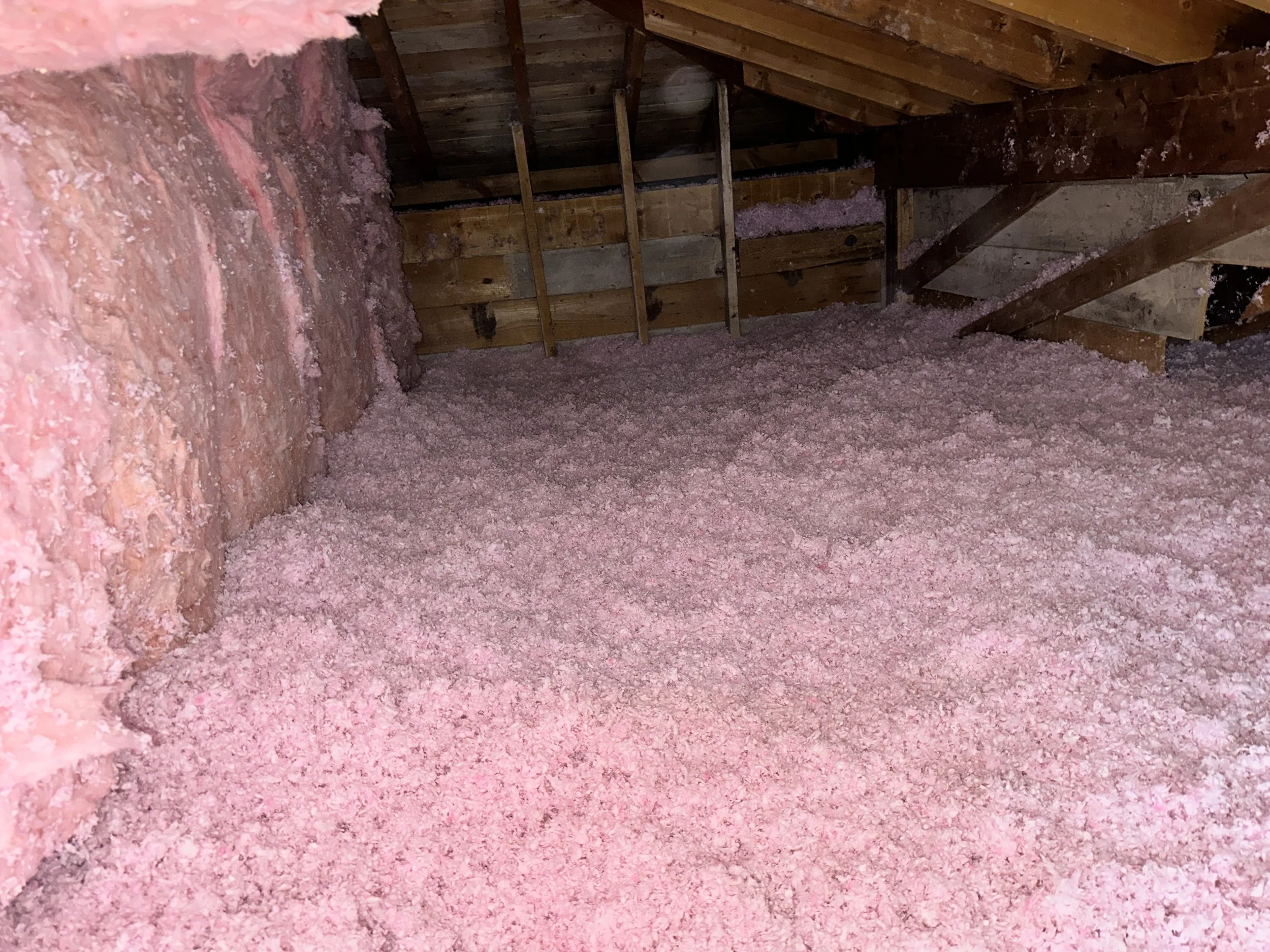
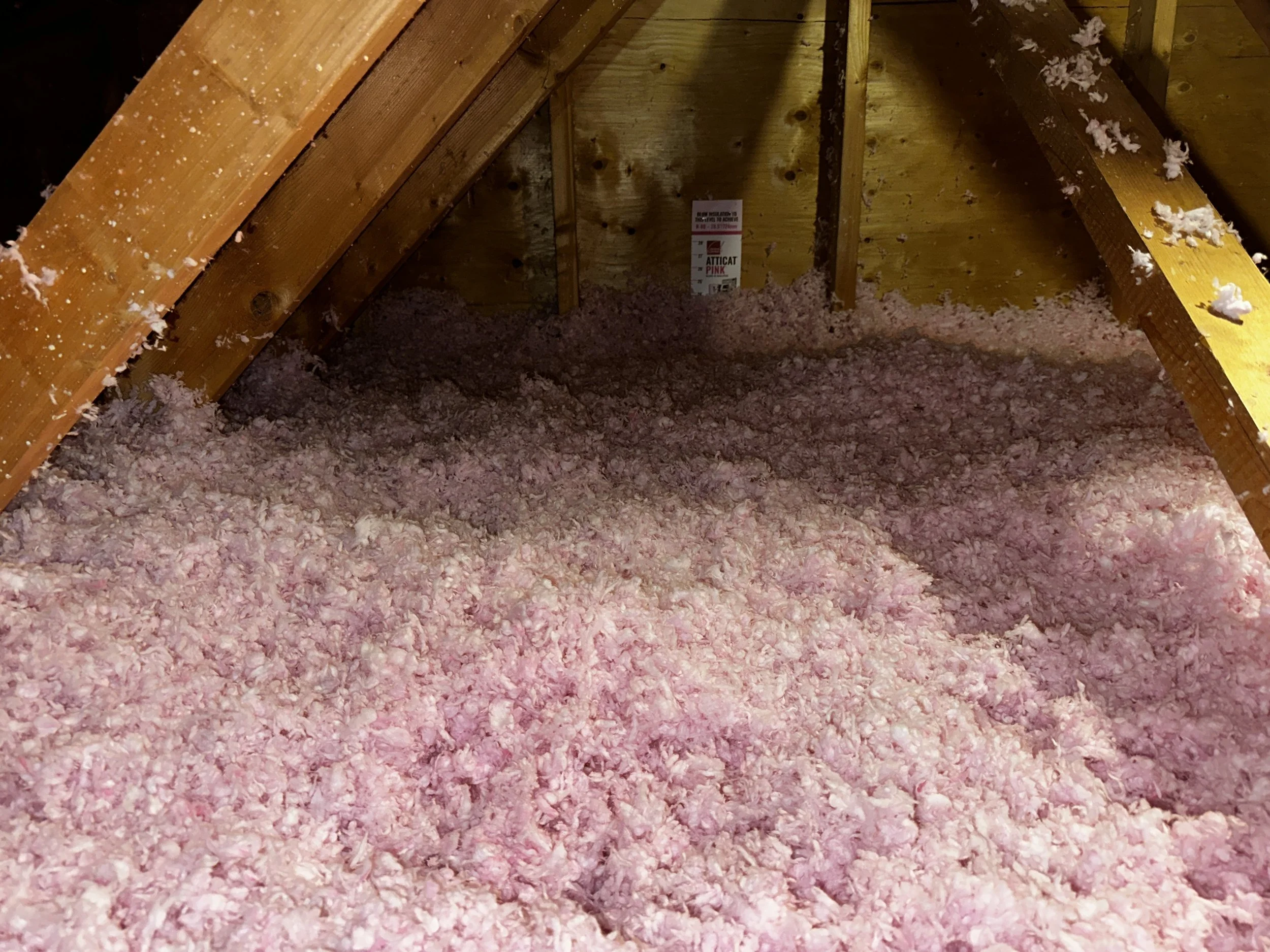
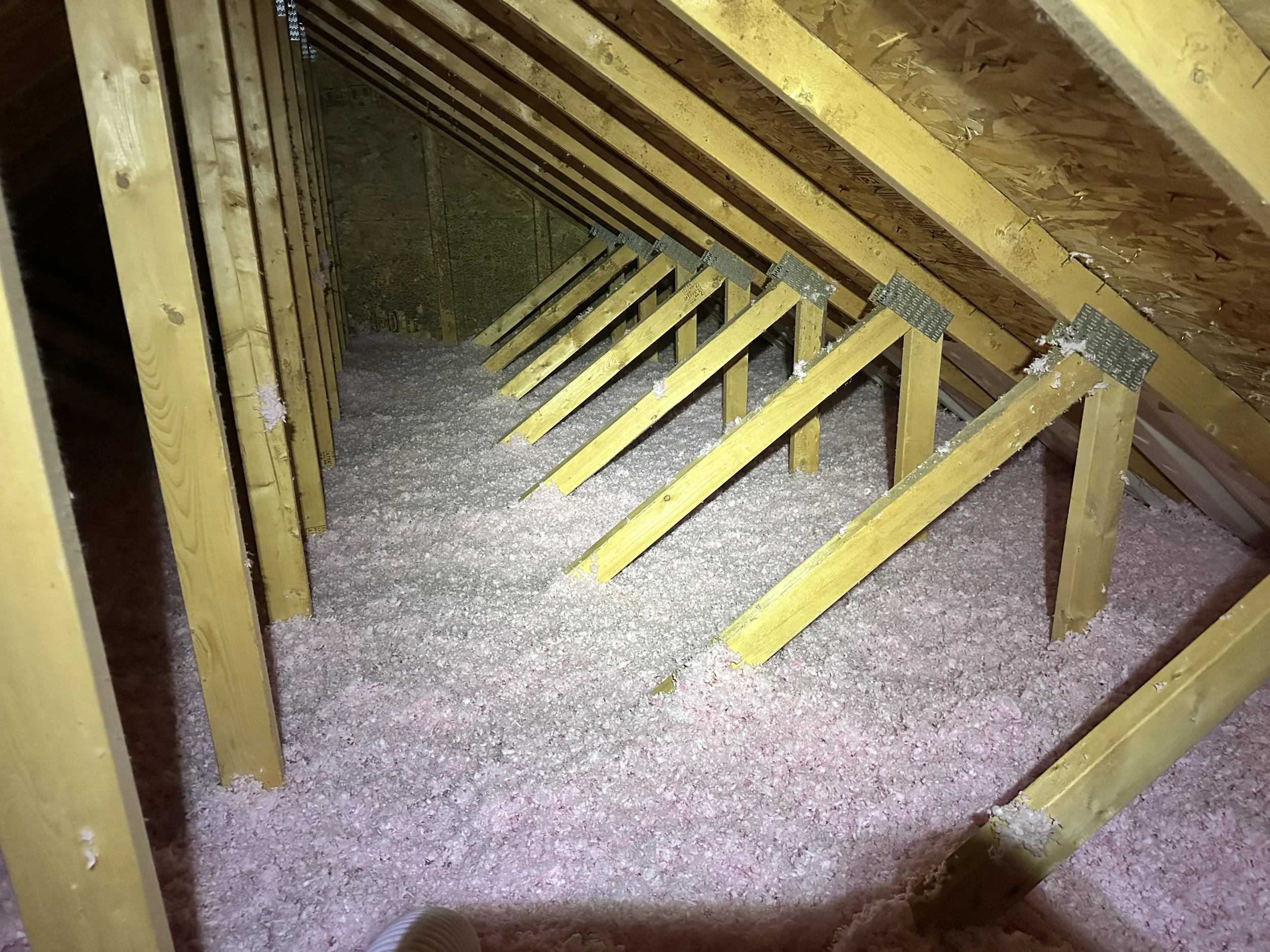
Every home in Alberta requires clean, dry, mold-free, and pest-free attic insulation to stay comfortable year-round. However, because our weather is among the most extreme—shifting from blistering summer heat to freezing winter drops—a vast majority of homes in our province remain severely under-insulated.
Upgrading your attic insulation is the best way to mitigate these harsh temperature swings, but simply throwing more insulation into the space isn't enough.
For insulation to actually do its job, it must be installed inside a properly ventilated and air-sealed attic. If your attic lacks the right airflow or has hidden air leaks, adding more insulation won't fix the problem—the system will fail.
Adding Attic Insulation Correctly
Despite being widely viewed as an "easy job," installing attic insulation incorrectly can cause severe structural issues.
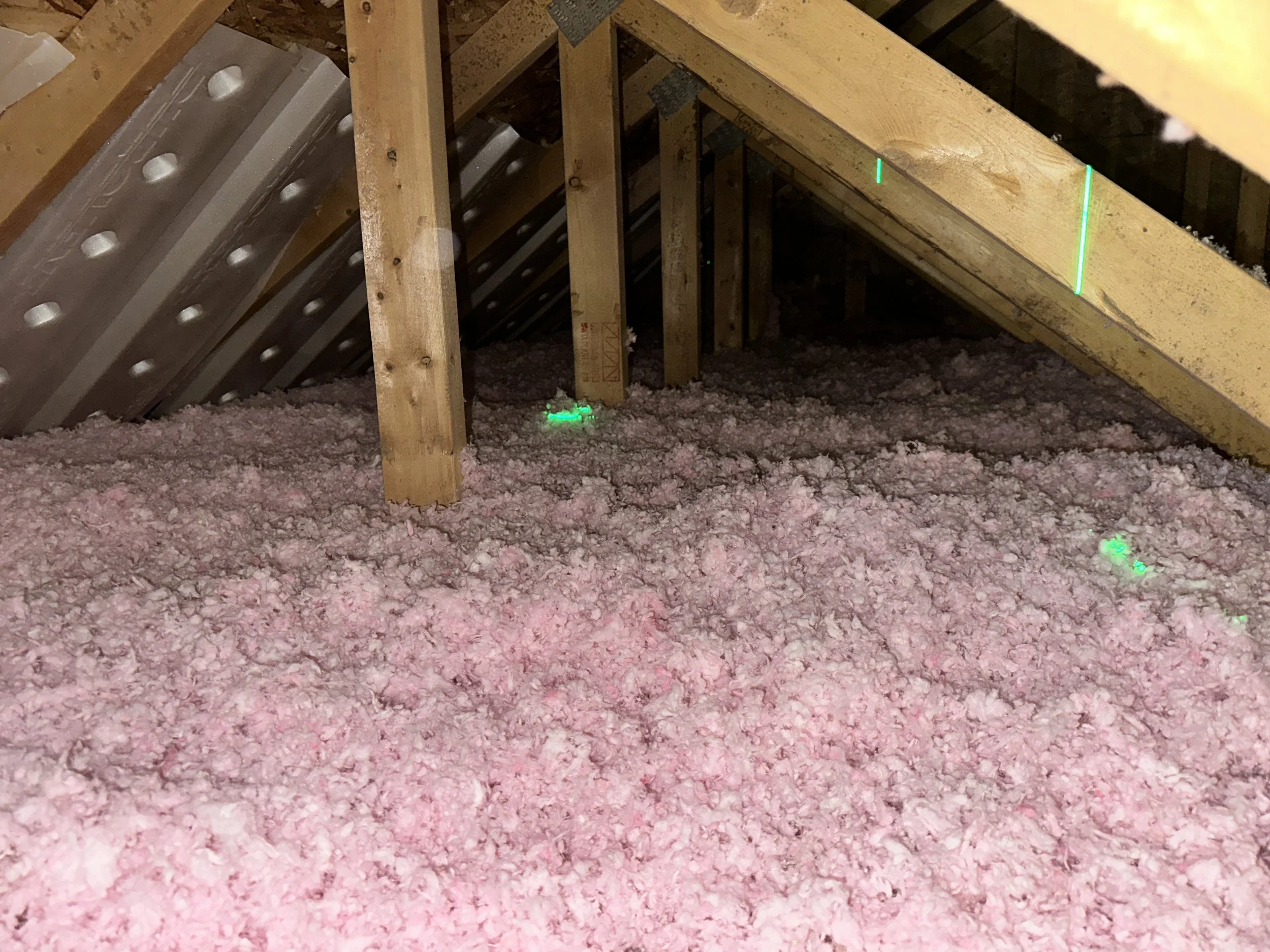
The single most critical mistake during installation is accidentally blocking your roof's fresh air intake with the new insulation material. To prevent this, every proper insulation "top-up" job requires installing or raising baffles (also known as rafter vents).
These specialized channels are fixed between your rafters to guarantee that your new, thicker layer of insulation never chokes off the air intake—keeping the fresh airflow moving freely from the soffits straight up into the attic.