Attic ventilation and air sealing
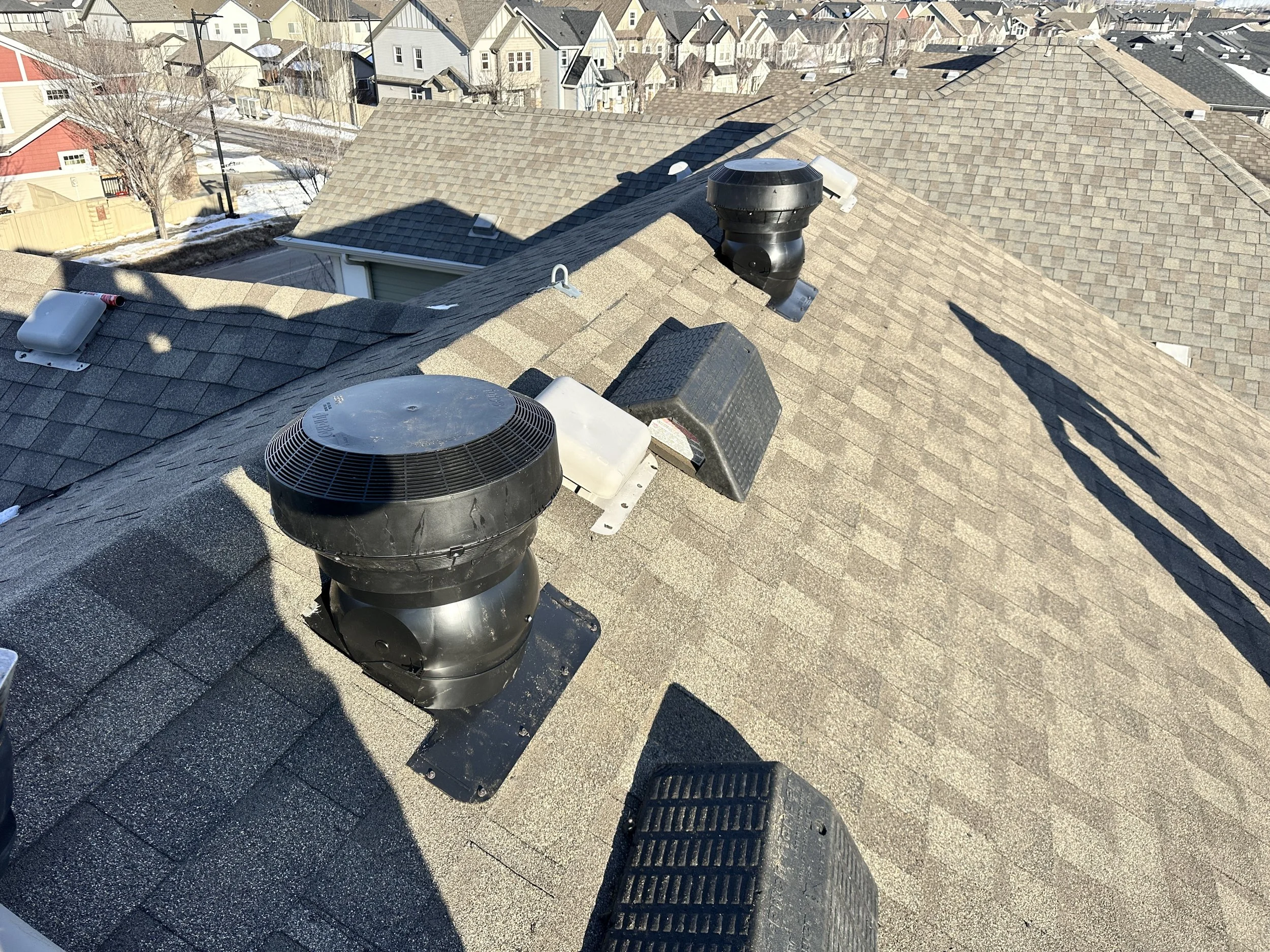
exhaust fans
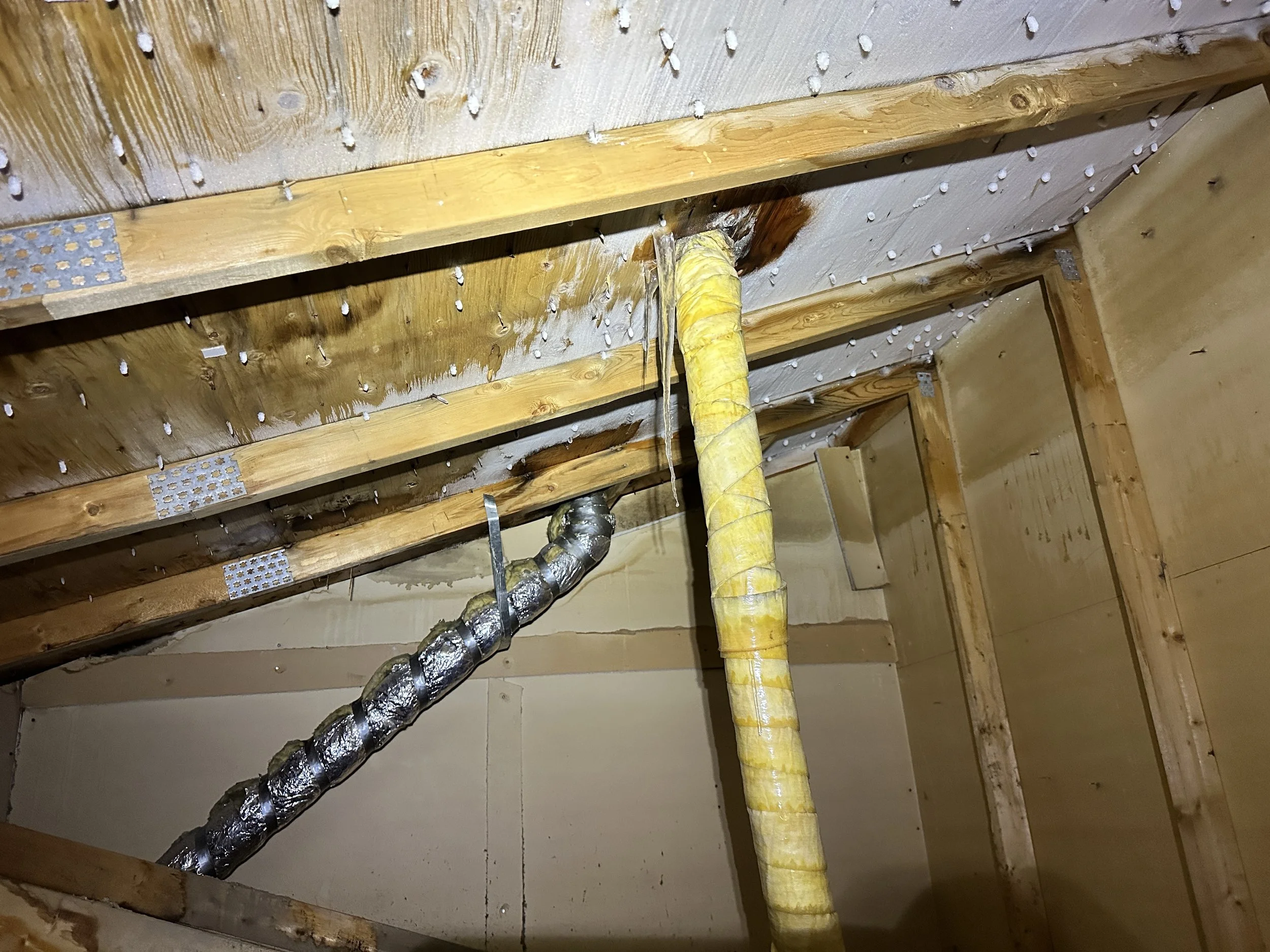
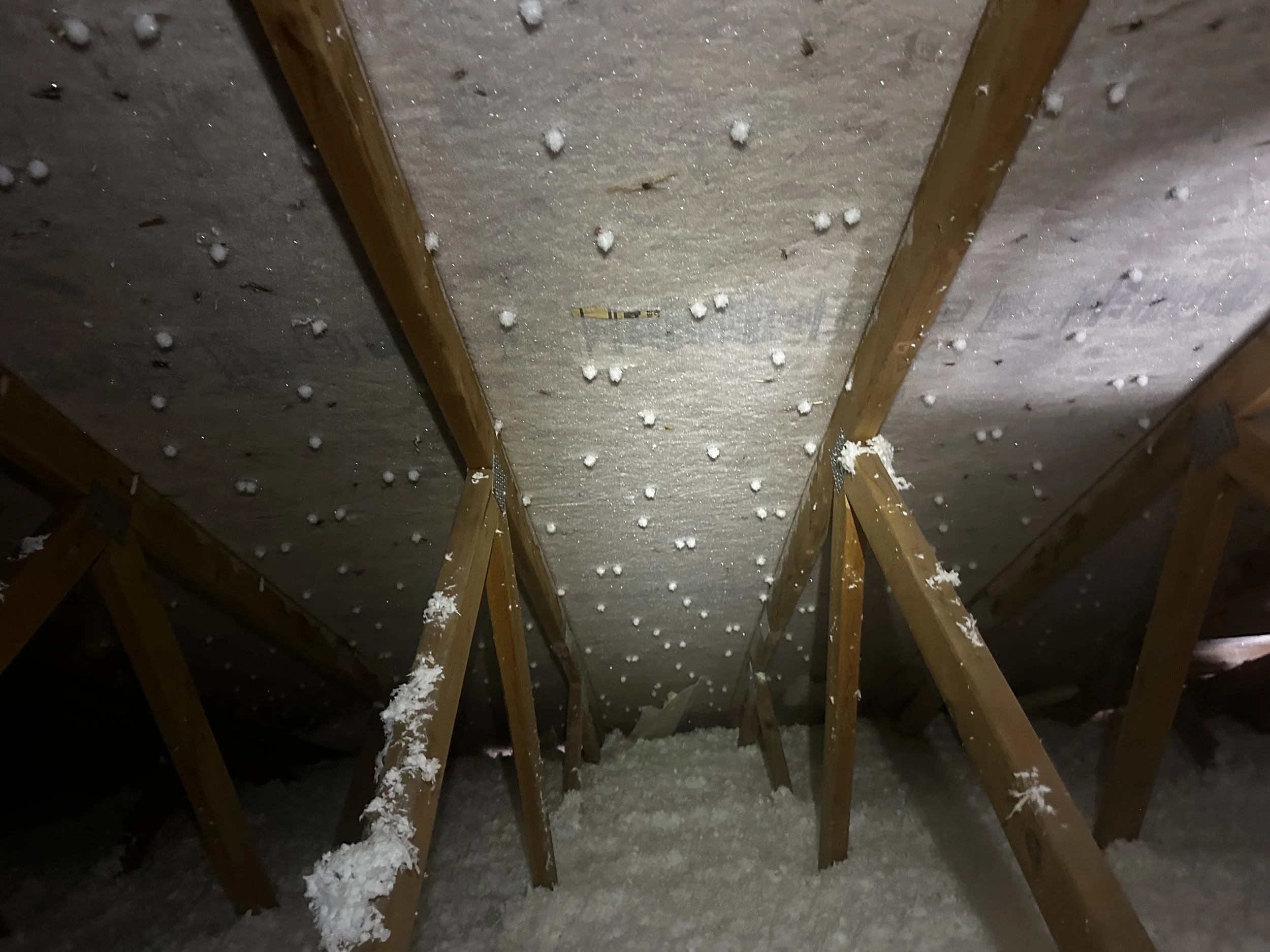
Many homeowners don't realize that bathroom and kitchen exhaust fans are a leading cause of massive attic condensation, especially during freezing winter months.
This happens when the connection between the exhaust fan ducting and the roof vent fails. Whether it’s a roofer who didn't seal the connection or an insulator who missed the gap, an improper installation leaves a shortcut for hot, steamy air to dump directly into your freezing attic space instead of venting outside.
The Impact of a Faulty Fan
Rapid Mold Growth: The continuous blast of hot, moist air against freezing roof decks creates the perfect breeding ground for toxic mold.
Ruined Insulation: Escaping steam quickly saturates your attic insulation, destroying its ability to keep your home warm.
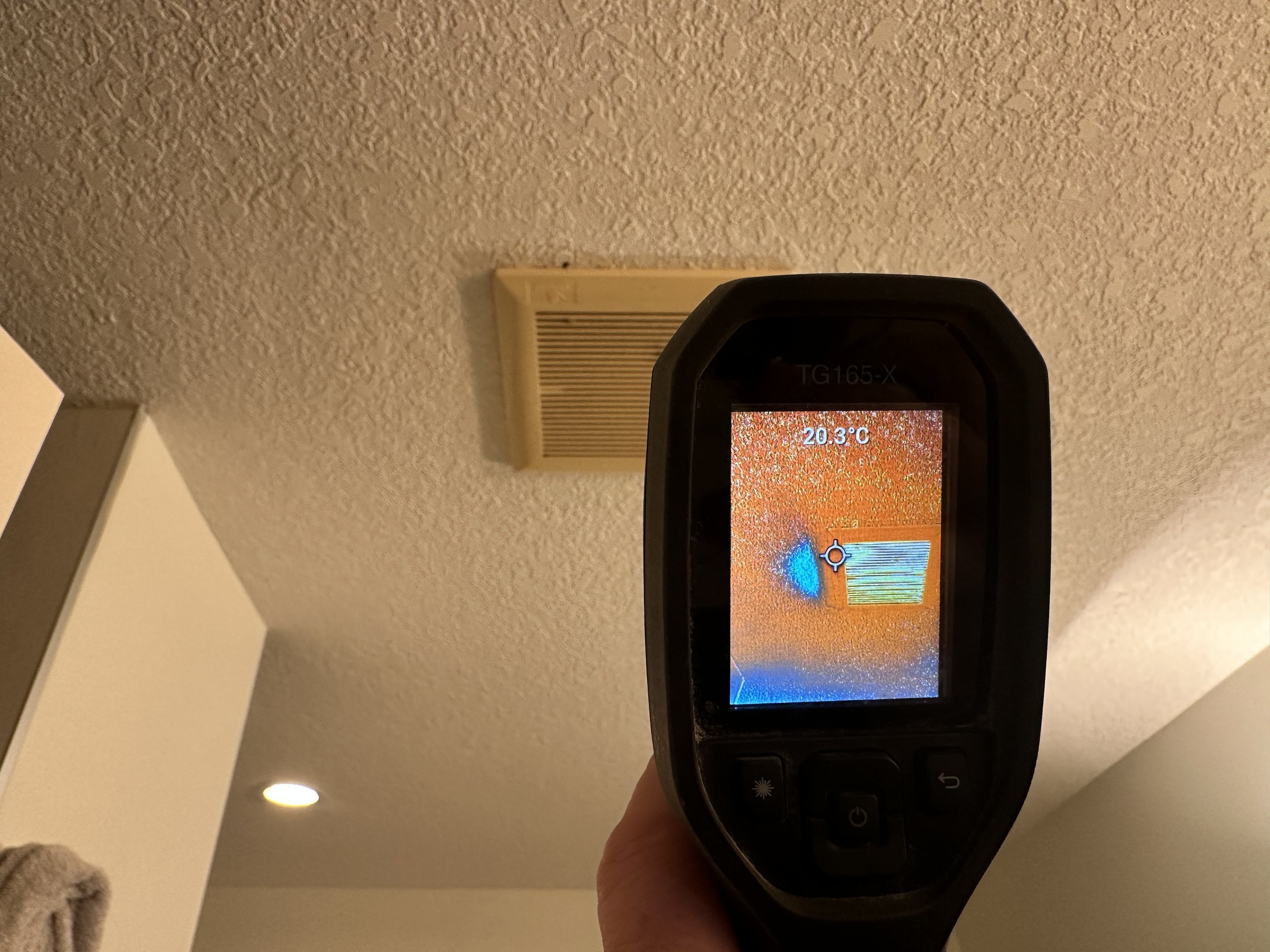
How to Spot It Downstairs: You don't have to climb into the attic to know there is a problem—if you start seeing yellow marks, water rings, or dark stains on the ceiling around your fan, it’s a definitive sign that moisture is leaking right back down.
7 Out of 10 Alberta Homes Need This Critical Exhaust Fan Upgrade
At MZ Roofing, this is one of our most frequently requested services. We find that regardless of how old or new your roof is, if the vent system was installed incorrectly, it will leak inmedialty.
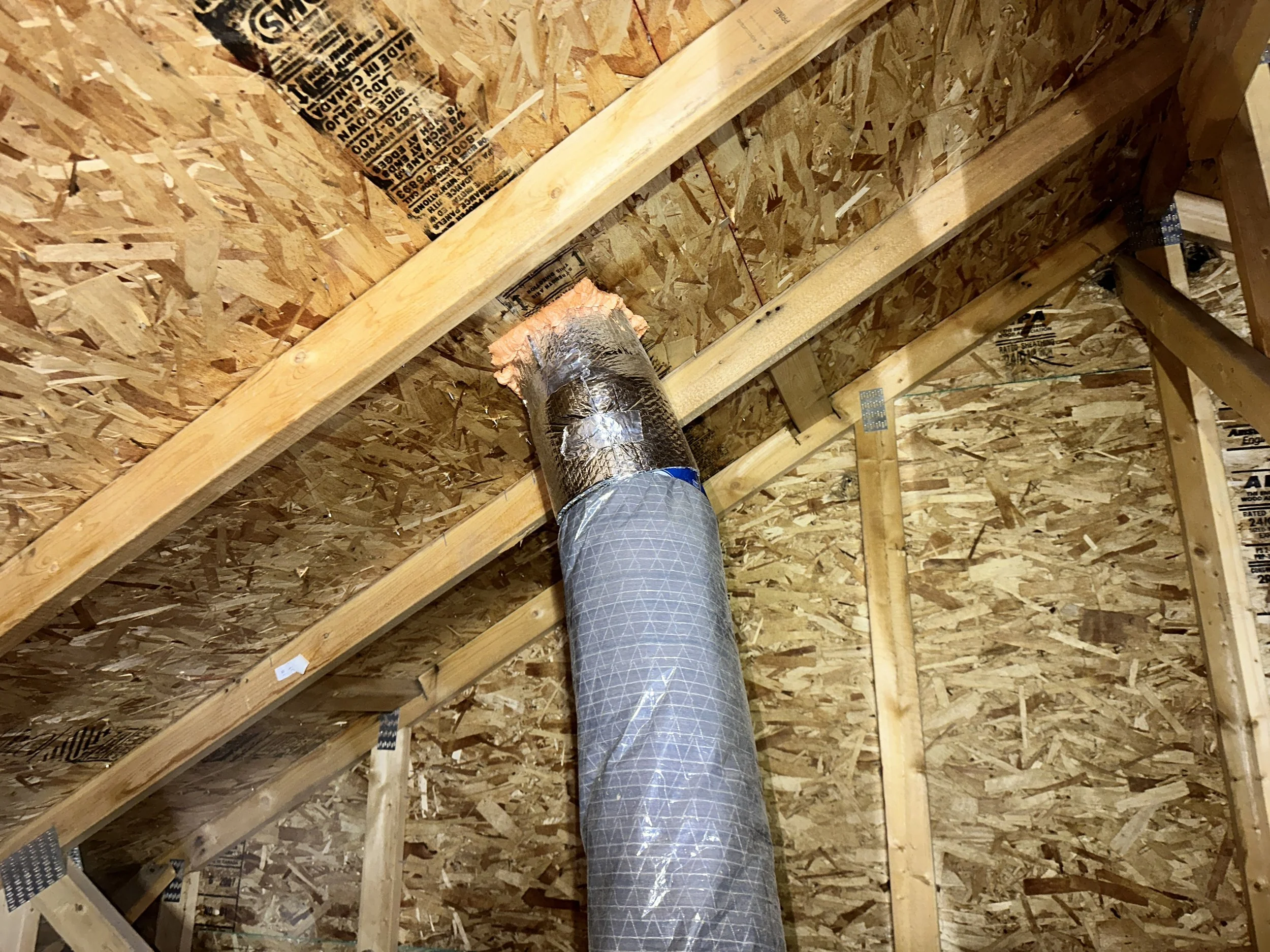
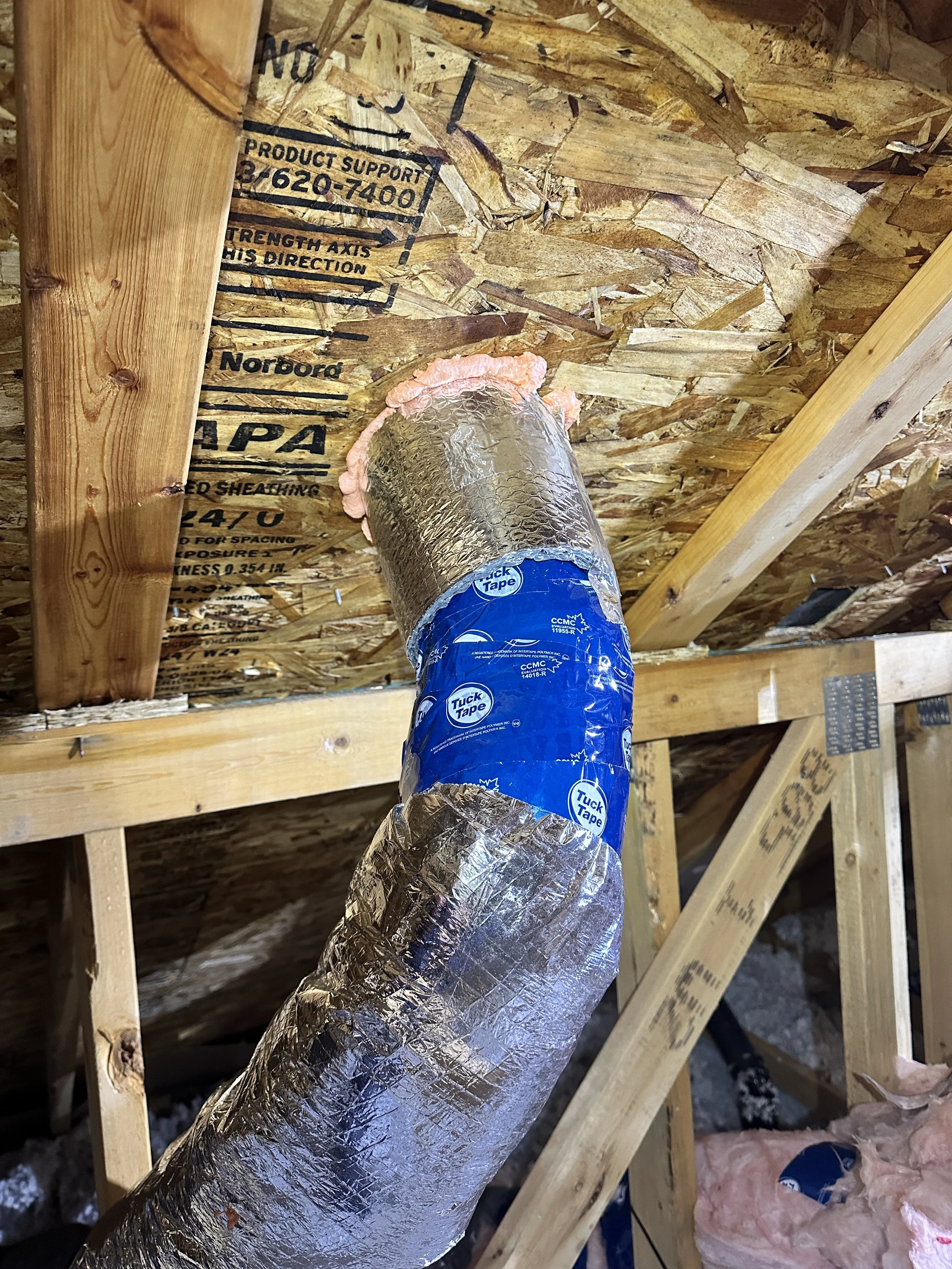
This happens because many roofing companies fail to install the proper vent adapters, and most importantly, the vital air-sealing work required inside the attic is almost always neglected.
Our specialized service corrects these mistakes by ensuring your bathroom and kitchen exhaust fans are 100% airtight and perfectly sealed.
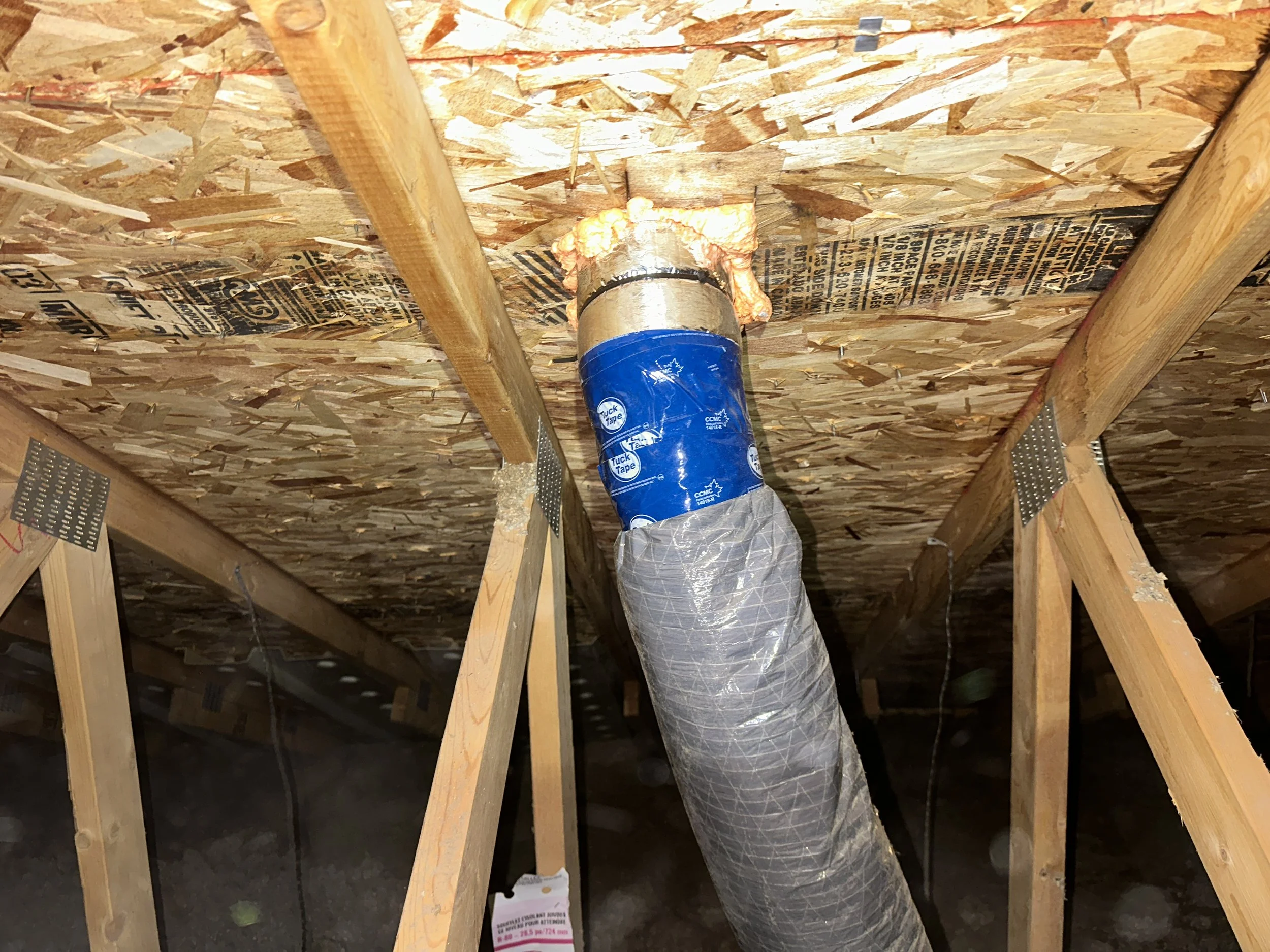
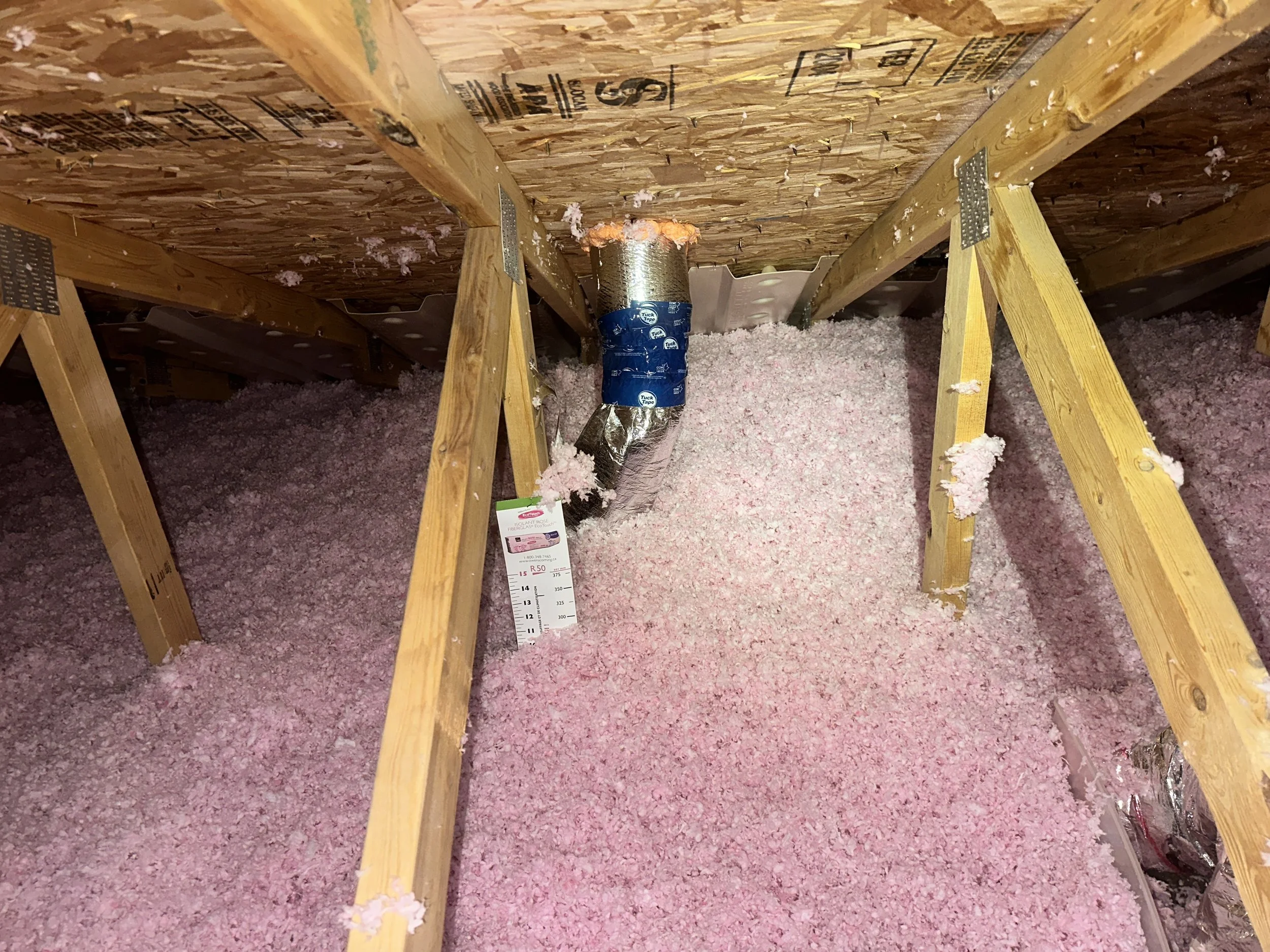
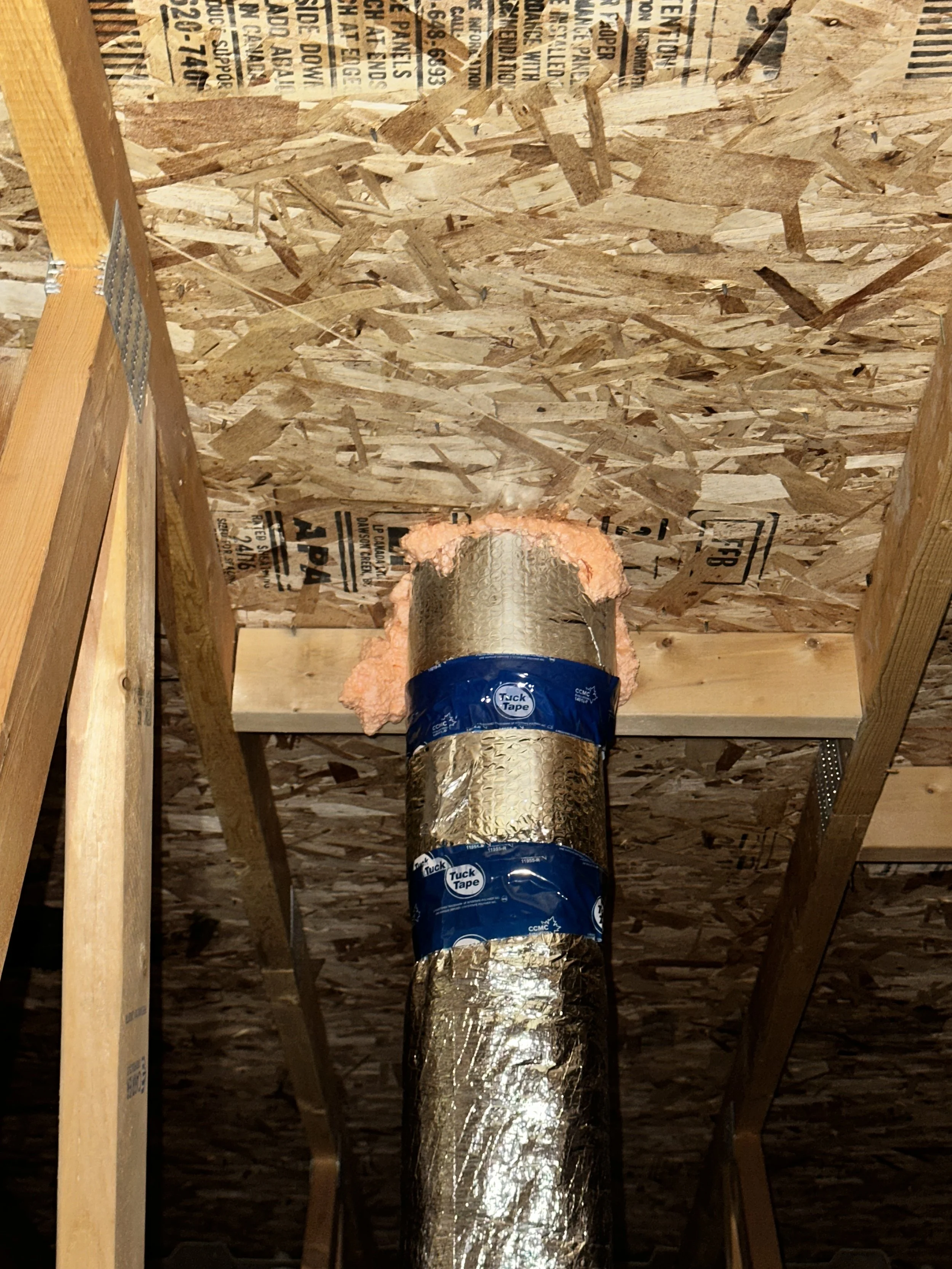
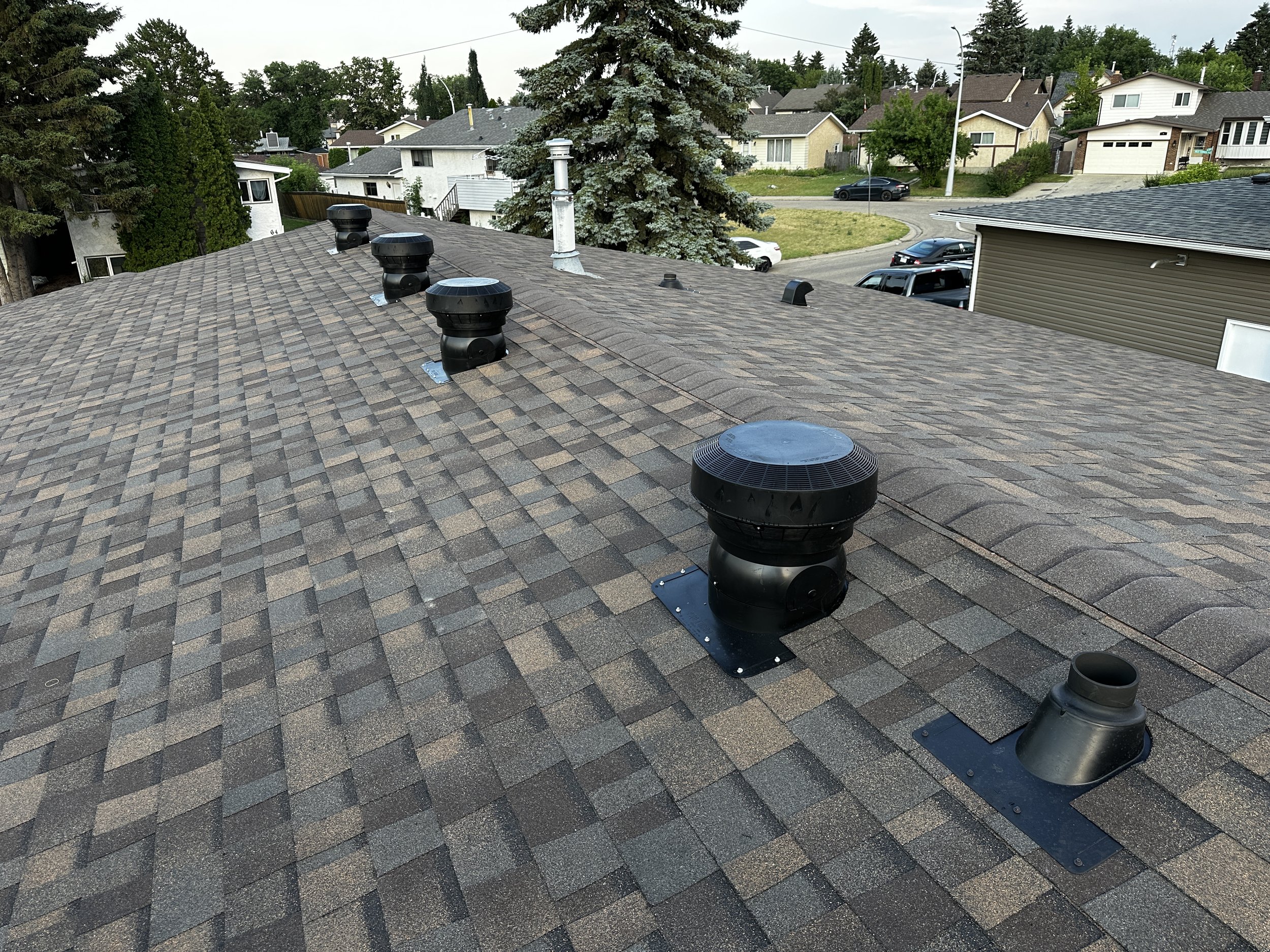
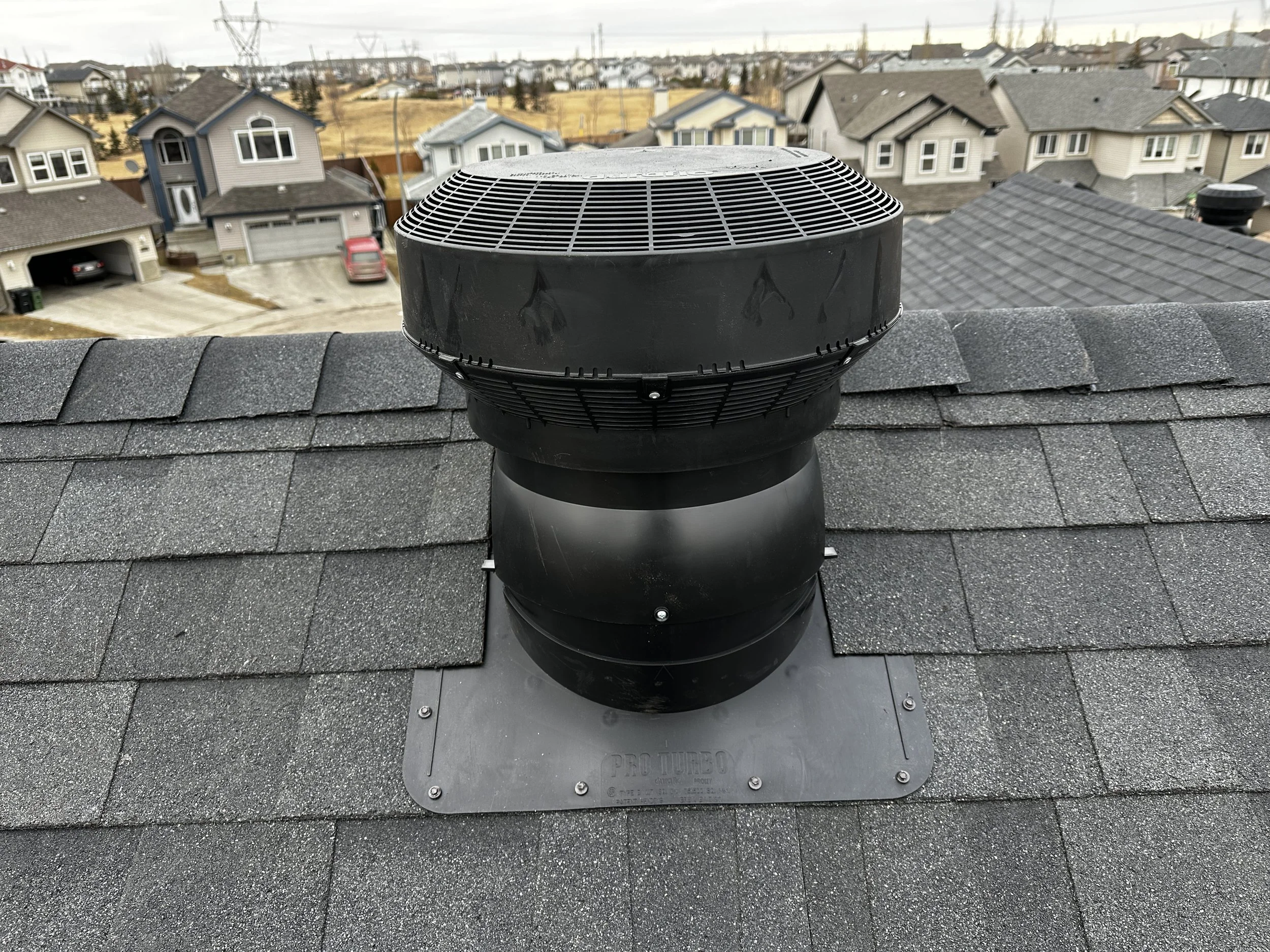
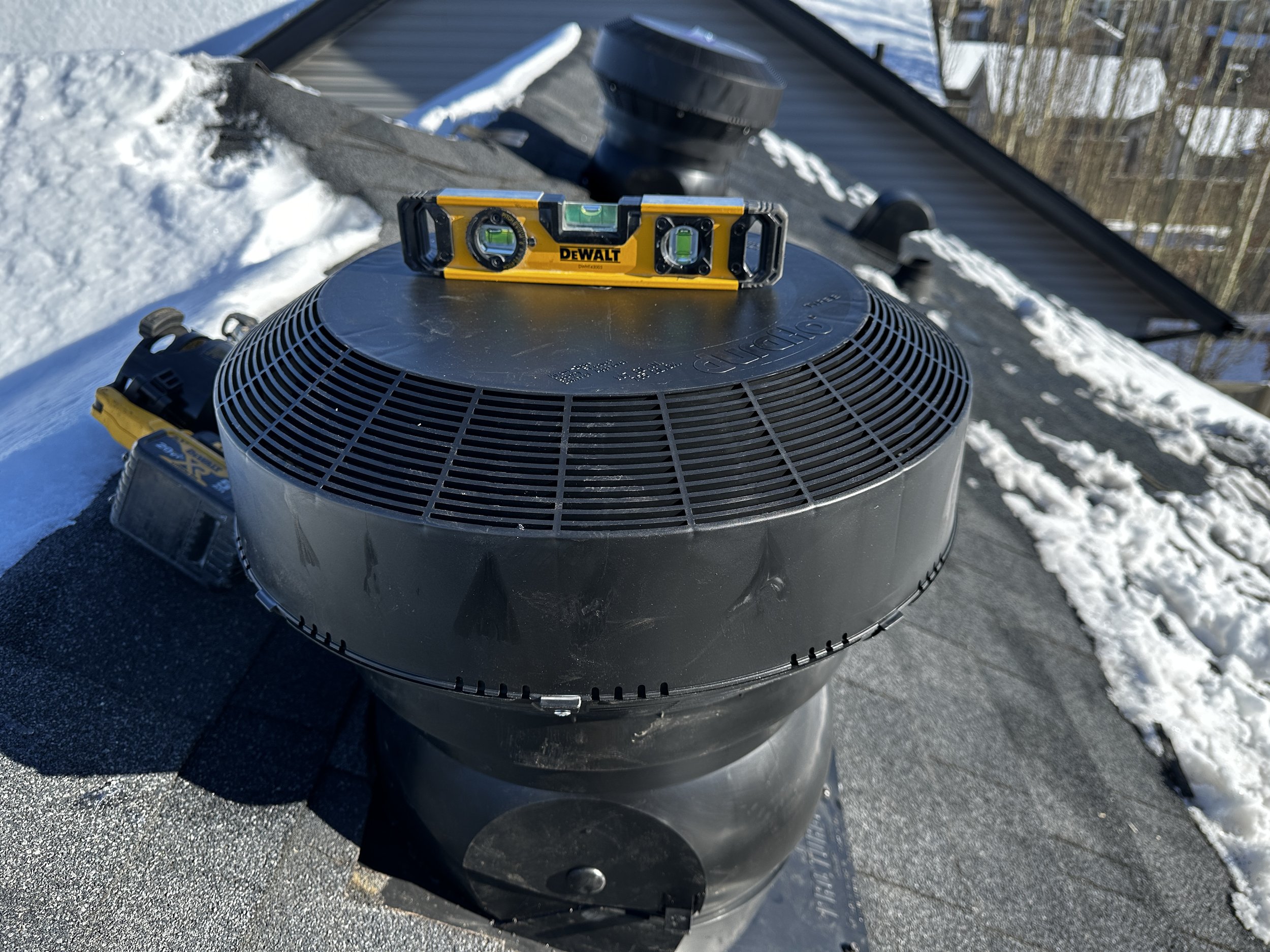
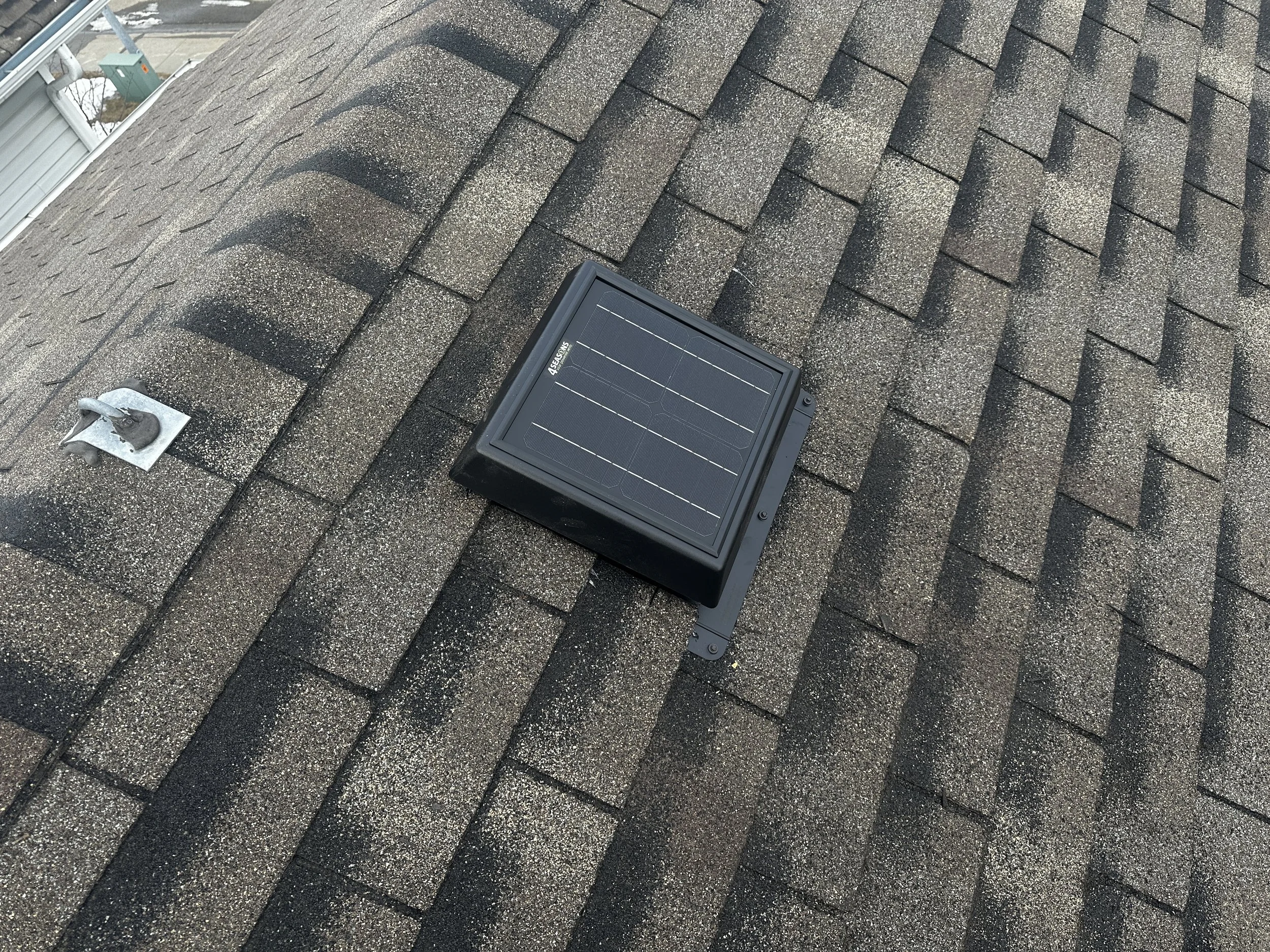
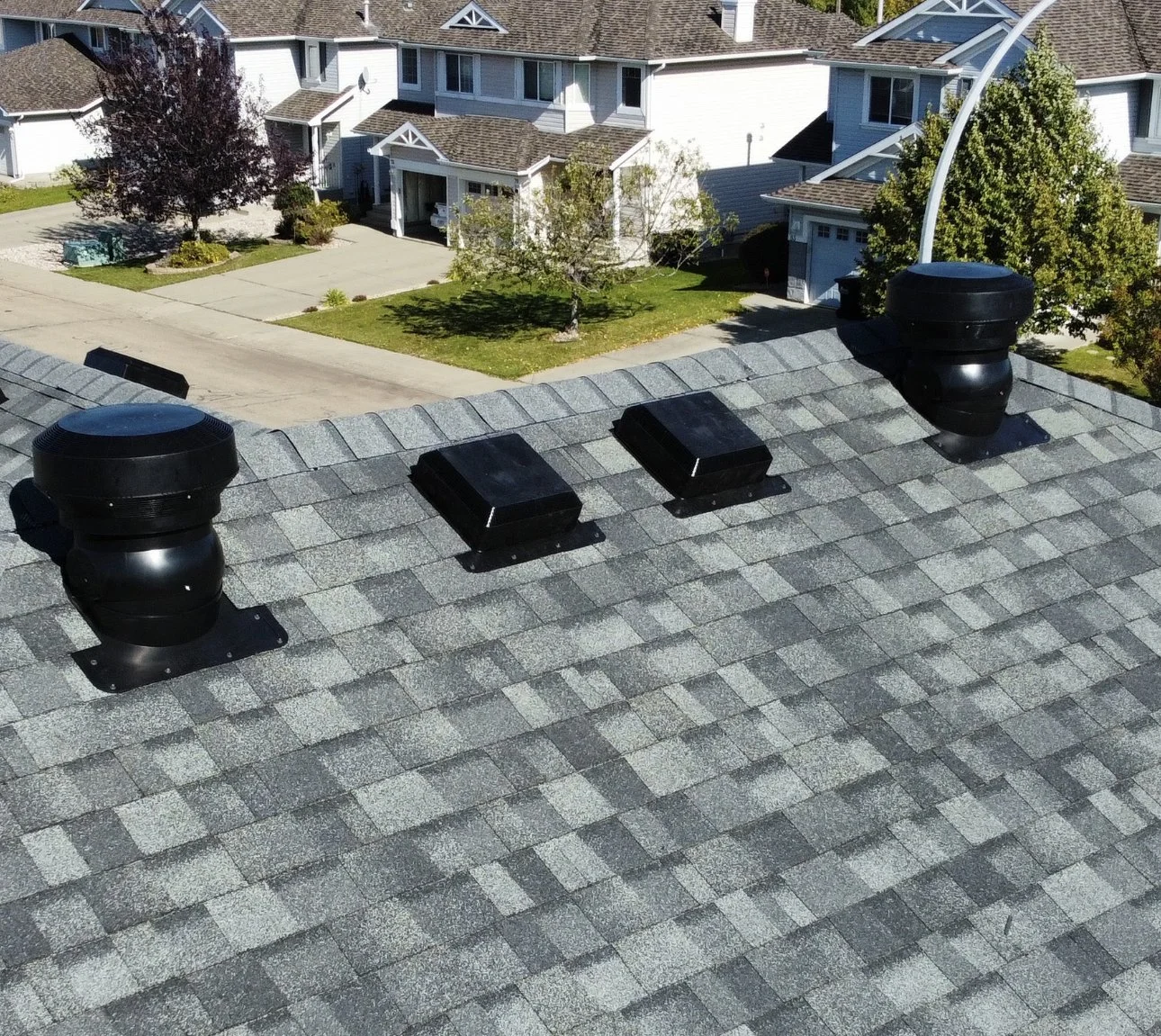
attic/roof ventilation
Why Proper Attic Ventilation is Non-Negotiable
Proper airflow is the foundation of a healthy, dry, and well-regulated attic. Every open attic configuration relies on a continuous cycle of fresh air. If your intake vents are blocked or insufficient, heat and moisture become trapped inside—which is exactly why your home ends up feeling freezing in the winter or sweltering in the summer.
However, achieving a balanced ventilation system isn’t as simple as just throwing more vents onto your roof. True performance requires a precise, proportional balance between your roof's exhaust and your attic's fresh air intake.
When your attic is engineered with correct, balanced ventilation, it actively protects your home by:
Prolonging Shingle Lifespan: Preventing your roof deck from overheating and baking your shingles from the inside out.
Preserving Your Insulation: Keeping moisture out so your insulation stays bone-dry and fully effective.
Stopping Mold and Rot: Eliminating the stagnant, humid air that causes structural damage.
Upgrade your attic/roof ventilation
We recommend this upgrade for every roof. It's an affordable service that will improve your home's comfort and energy efficiency. Request your free, no-obligation ventilation inspection today.
Attic air sealing
The Hidden Drain on Your Home, Health, and Wallet
It’s the most neglected space in your house, but your attic directly dictates your comfort, your energy bills, and the air you breathe.
Without a complete air seal, your living areas and attic share a single, open ecosystem. This invisible connection allows conditioned air to escape continuously—forcing your heating and cooling systems to work double-time and driving up your utility costs.
But the financial drain is only half the problem. These same pathways allow moisture, mold spores, and fiberglass dust to pull down into your living spaces. It’s a double threat that silently degrades your home’s structural integrity while directly putting your family’s health at risk.
How to know if your attic is air TIGHT
Because you can’t see invisible airflow, look for these common warning signs downstairs:
Hot & Cold Spots: Rooms that are freezing in the winter or sweltering in the summer mean conditioned air is escaping into your attic.
Spiking Energy Bills: If your heating or cooling system runs constantly to keep up, your money is likely leaking straight through the roof.
Melting Snow & Ice Dams: Rapidly melting snow patches or heavy ice build-up on your gutters prove that escaping indoor heat is warping your roof's temperature.
Dust & Allergy Flares: An unsealed attic acts like a straw—pulling insulation fibers, dust, and mold spores down into the rooms you breathe in every day.
Request a free, no-obligation inspection to make sure your attic is working as it should.